Printmaking at its closest to the artist’s hand
Looking for a drypoint print to buy? Here, we enter one of the most direct and sensitive techniques in printmaking: nothing but the hand, the tool and the metal.
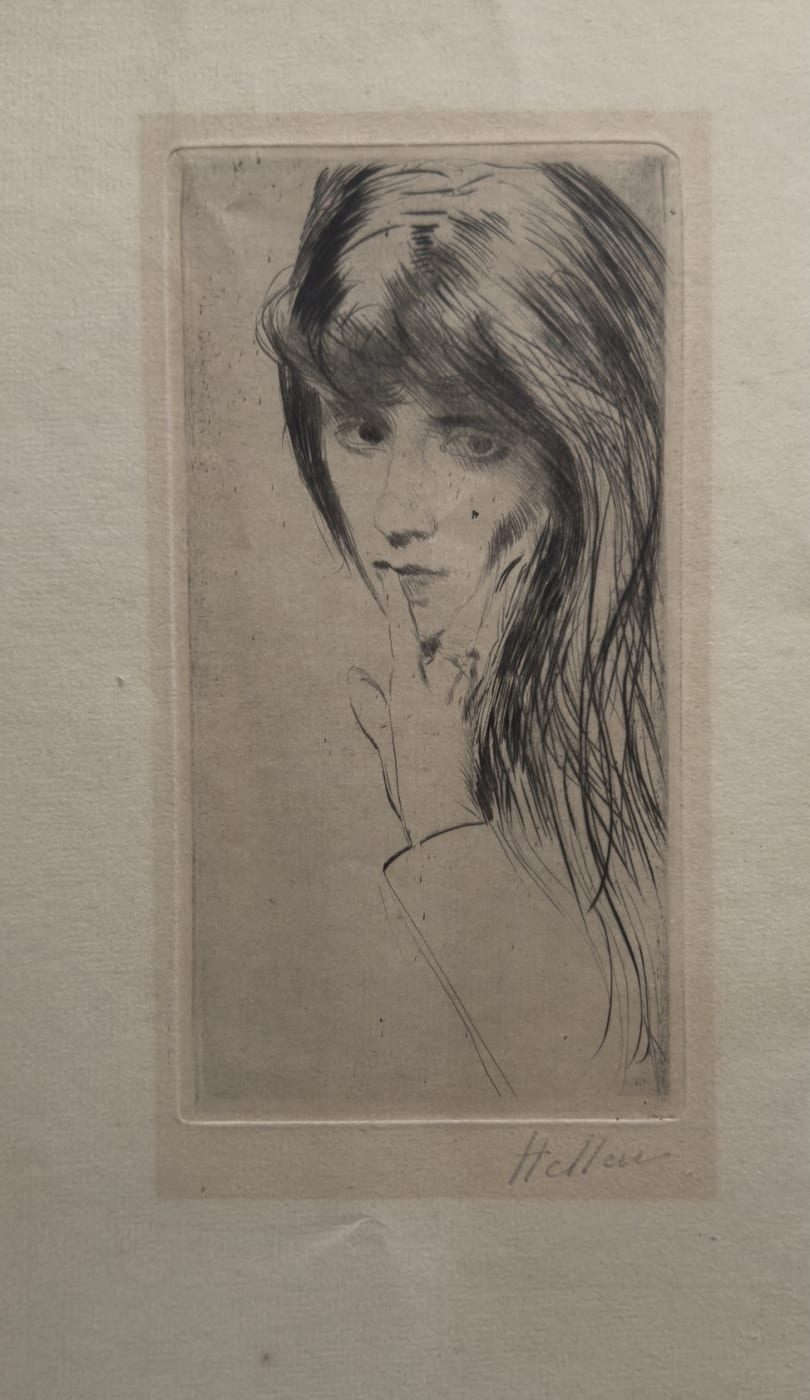
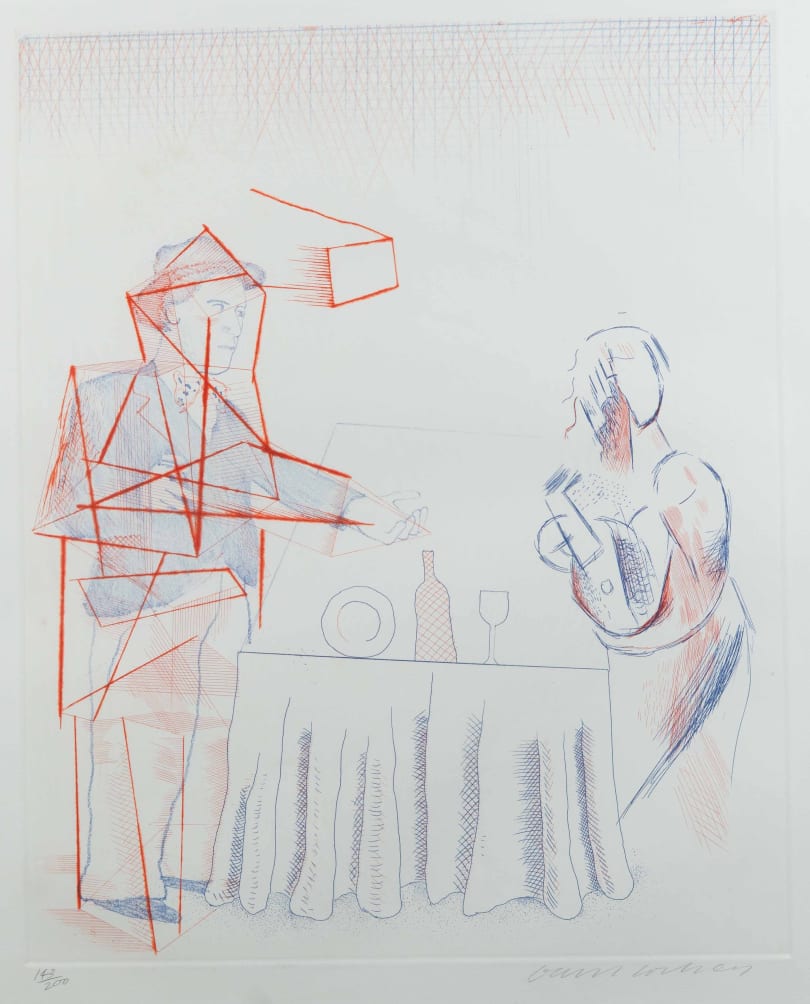
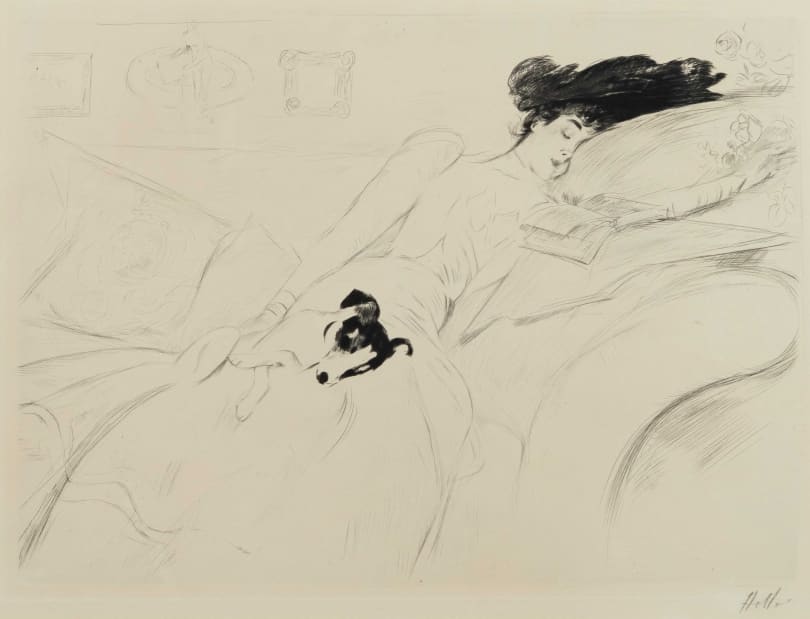
Drypoint is a form of engraving in which the artist does not use acid. He works directly into the copper plate, most often with a steel, diamond or carbide point. The line raises a tiny burr, which holds the ink and creates those velvety, slightly blurred, almost vibrating contours.
Each passage through the press wears the plate a little. The first impressions are often deeper and more intense, and then the image gradually softens over time. This fragility — and this closeness to the artist’s gesture — is precisely what makes original drypoint prints so sought after.
Drypoint has travelled through the history of art and has been used by some of the greatest printmakers:
-Rembrandt – known for his deep, vibrant blacks
-James McNeill Whistler – master of subtle lines and delicate atmospheres
-Käthe Kollwitz – intense, human and emotionally powerful
-Mary Cassatt – intimate scenes with remarkable sensitivity
-Edvard Munch – expressive, dramatic tension
-Paul-César Helleu – elegant portraits with a diamond-point delicacy
-Bernard Buffet – taut, graphic, nervous lines
-Salvador Dalí – often combined with other processes to enrich the composition
On this page, we present a carefully curated selection of drypoint prints: chosen works, most of them signed, numbered and referenced in catalogue raisonnés.
And among them, you will regularly find works by Bernard Buffet, Paul-César Helleu and Salvador Dalí, available for sale on Art Shortlist.
If you are discovering this technique, take time to observe the line, the presence of the burr, the paper, the signature, the numbering and the overall condition of the sheet.
And if you have any questions, write to us — we’re here to help. Our role is to guide you toward the drypoint print that will live with you every day and enrich your art collection.

 Paul-César Helleu